Leave Your Message

Top 10 Sany Equipment Models for Global Buyers?

Global construction equipment buyers are facing a practical question: which machines deliver dependable output beyond the showroom? KHL’s 2024 Yellow Table reported that Sany held approximately 4.6% of global construction equipment sales in 2023. That position reflects substantial international scale, but market share alone cannot prove suitability.

The details matter more.

This guide examines ten Sany Equipment models across excavating, lifting, concrete, and roadwork applications. It considers operating weight, engine performance, attachment flexibility, fuel use, service access, and regional support. Off-Highway Research continues to identify infrastructure investment and replacement demand as major forces shaping global equipment markets. Buyers should still verify local parts availability, emissions compliance, operator training, and resale conditions before ordering.

SANY founder and chairman Liang Wengen is associated with the company’s guiding statement: “Quality changes the world.” That ambition is visible in many machines, from tracked excavators working through wet clay to tower cranes serving dense urban projects. Yet no manufacturer is perfect. Published specifications may differ by market, configuration, and test method. A model that performs strongly on a large quarry may feel excessive on a small municipal site.

This overview therefore avoids treating popularity as proof. It compares practical strengths, likely limitations, and purchasing conditions. The best Sany Equipment choice depends on the worksite, not the brochure. Expect useful answers, but check the fine print.
Top 10 Sany Equipment Models for Global Buyers?

Sany’s Global Equipment Range and Model Selection Criteria

Top 10 Sany Equipment Models for Global Buyers?

Sany’s global equipment range should be judged by application, not brochure size. Buyers can shortlist ten model types across excavators, wheel loaders, cranes, concrete machinery, drilling rigs, and road equipment. The 2024 Yellow Table reported global construction-equipment sales of about $238 billion in 2023. That scale shows why model fit matters. A 20-ton excavator may suit dense urban foundations, while a 35-ton unit offers stronger production on hard ground. Bigger is not always better.

Selection should begin with verified operating conditions. Check lifting capacity, fuel use, hydraulic response, transport width, service intervals, and local parts availability. Off-Highway Research identifies replacement cycles, rental demand, and infrastructure spending as major market drivers. These factors affect resale value and machine utilization.

For example, a crawler crane used near coastal sites needs corrosion protection, stable controls, and documented inspection support. Small details matter.

Data can mislead.

A laboratory fuel figure will not match muddy soil, long idling, or inexperienced operators. Buyers should request field-test records, maintenance histories, and total-cost estimates for five years. A 2024 report from the International Energy Agency also highlights tightening efficiency expectations across industrial equipment.

Electric or lower-emission models may reduce site restrictions, but charging access remains uneven. The strongest shortlist combines certified performance, operator feedback, regional service capability, and realistic jobsite assumptions. Forecasts are useful, yet local evidence deserves more weight.
Key Specifications of the Top 10 Sany Equipment Models

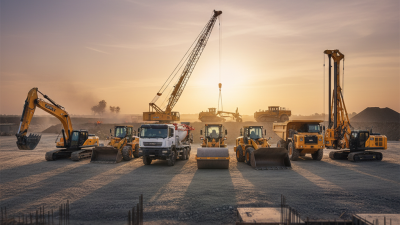
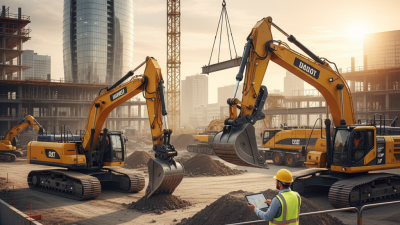
Global buyers often compare ten equipment models by digging force, operating weight, and hydraulic output. The compact excavator offers around 6 tonnes of working weight and suits narrow urban sites. A 20-ton excavator usually delivers deeper reach, stronger bucket force, and better productivity in hard soil. The larger 35-ton model provides higher stability, but transport costs rise quickly. A wheel loader may combine a 3.5-cubic-meter bucket with fast cycle times for quarry and aggregate work. Its tire size and ground clearance matter on uneven surfaces.

For road projects, the motor grader should provide roughly 170 horsepower and a wide moldboard for accurate shaping. A crawler dozer with about 220 horsepower can push dense material across long distances. The articulated dump truck may carry 35 tonnes while maintaining traction on muddy access roads. A rough-terrain crane needs lifting capacity, boom reach, and outrigger width checked together. A truck-mounted crane offers easier relocation, though it may sacrifice off-road stability. The concrete pump should be judged by delivery pressure, vertical reach, and pipe diameter.

Specifications are useful, but field conditions can change the result. Power is not everything. Fuel use, operator visibility, service access, and spare-part availability affect ownership costs. Published figures may reflect controlled testing, not a rocky worksite after heavy rain. Buyers should confirm regional emission rules, warranty terms, and dealer response times before signing. One concern remains: comparing peak performance alone can produce an expensive mismatch. The most suitable model is not always the largest one.

Top 10 Equipment Models for Global Buyers – Key Specifications
No. Equipment Category Typical Global Applications Operating Weight / Capacity Engine Output Primary Working Parameter Maximum Reach / Depth Travel or Lifting Performance Key Buyer Considerations
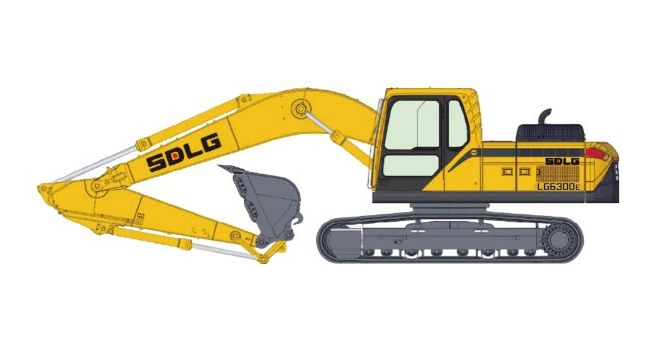
1 20-Tonne Crawler Excavator General excavation, utilities, road construction, quarry preparation Approximately 21,500 kg Approximately 118 kW Standard bucket: about 1.0 m³ Maximum digging depth: about 6,540 mm Maximum digging radius: about 9,900 mm A versatile size class with strong transportability, stable digging performance, and broad attachment compatibility.
2 35-Tonne Crawler Excavator Large-scale earthmoving, mining support, infrastructure and foundation work Approximately 36,000 kg Approximately 212 kW Standard bucket: about 1.6 m³ Maximum digging depth: about 7,350 mm Maximum digging radius: about 11,100 mm Suitable for demanding production work where greater breakout force and bucket capacity are required.
3 5-Tonne Wheel Loader Aggregate handling, stockpiling, loading trucks, ports and material yards Operating weight: about 17,100 kg Approximately 162 kW Standard bucket: about 3.0 m³ Rated payload: about 5,000 kg Maximum travel speed: about 38 km/h Offers high loading productivity; tire selection and bucket configuration should match site materials and climate.
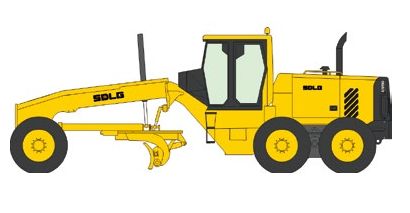
4 Motor Grader Road leveling, surface finishing, drainage slopes and maintenance grading Operating weight: about 16,500 kg Approximately 145 kW Moldboard width: about 4,270 mm Maximum blade cutting depth: about 715 mm Maximum travel speed: about 40 km/h Best suited to buyers requiring precise final grading and reliable performance on long road projects.
5 100-Tonne Crawler Crane Industrial construction, wind-energy components, bridges and heavy structural assembly Rated lifting capacity: 100,000 kg Approximately 209 kW Main boom length: about 13.2–61 m Maximum lifting moment: about 4,000 t·m Crawler travel speed: about 1.2 km/h Transport planning, ground bearing pressure, counterweight logistics and local crane regulations are critical.
6 25-Tonne Truck Crane Urban construction, utility installation, plant maintenance and general lifting Rated lifting capacity: 25,000 kg Approximately 199 kW Telescopic boom length: about 10.2–33 m Maximum lifting moment: about 1,000 t·m Maximum road speed: about 78 km/h Combines road mobility with jobsite lifting; buyers should confirm axle limits and regional road certification.
7 50-Tonne Rough-Terrain Crane Industrial sites, oil and gas facilities, infrastructure projects and uneven terrain Rated lifting capacity: 50,000 kg Approximately 194 kW Telescopic boom length: about 11.5–38.5 m Maximum lifting moment: about 1,700 t·m Four-wheel drive; maximum travel speed about 35 km/h Designed for maneuverability on temporary or unpaved worksites; outrigger footprint must be checked before purchase.
8 Truck-Mounted Concrete Pump High-rise buildings, bridges, foundations, tunnels and large concrete pours Concrete output: about 60 m³/h Truck engine output: approximately 276 kW Placing boom reach: about 37 m Maximum vertical placing height: about 36–37 m Delivery pressure: commonly about 8 MPa Boom reach, pipeline diameter, concrete slump range and chassis emissions certification affect project suitability.
9 10-m³ Truck Mixer Ready-mix delivery, commercial buildings, roads, bridges and residential projects Nominal drum capacity: 10 m³ Approximately 276 kW Drum geometric volume: about 16.8 m³ Typical discharge height: about 1,600 mm Drum rotation speed: about 0–14 rpm Drum wear protection, chassis payload, water-system design and local weight regulations should be evaluated.
10 Rotary Drilling Rig Pile foundations, bridge construction, metro projects and deep foundation engineering Operating weight: approximately 68,000 kg Approximately 261 kW Maximum drilling diameter: about 1,500 mm Maximum drilling depth: about 56 m Maximum torque: about 260 kN·m Tooling options, soil conditions, casing requirements and transport dimensions determine actual productivity.

Reference values represent commonly published specifications for equipment in these capacity classes. Actual configurations may vary by attachment, chassis, emission standard, operating region and optional equipment.

Sany Excavators, Cranes, and Concrete Machinery Compared

Global buyers often compare ten practical equipment models: compact excavators, 20-ton crawler excavators, 35-ton excavators, long-reach excavators, rough-terrain cranes, truck cranes, crawler cranes, truck-mounted concrete pumps, trailer pumps, and concrete batching systems. Each serves a different job. A compact excavator fits narrow urban sites, while a 20-ton machine balances digging force, transport cost, and fuel use. Larger excavators suit quarry work, but their weight can restrict road access.

Cranes require closer attention to working conditions. A rough-terrain crane handles uneven construction yards with useful mobility. A truck crane travels between projects more efficiently. Crawler cranes offer strong lifting stability, although assembly takes longer. Check rated capacity at the actual working radius, not only the headline figure. A 50-ton rating may drop sharply at extended reach. That detail changes the buying decision.

Concrete machinery should be judged by placement distance, output consistency, and cleaning access. Truck-mounted pumps suit tall buildings and large pours. Trailer pumps can reduce entry costs for smaller contractors. Batching systems improve mix control, but they need reliable aggregate feeding and skilled operators. My first shortlist focused too heavily on engine power. That was a mistake. Service response, spare-part availability, cabin visibility, and digital maintenance records often matter more after the first year. Field trials remain essential. Paper specifications can hide uncomfortable controls, slow setup, or poor access around the engine bay.

Top 10 Equipment Models for Global Buyers

Excavators, cranes, and concrete machinery compared by representative operating or transport mass.

The comparison uses representative specifications commonly found in global commercial configurations. Larger operating mass generally indicates greater structural capacity, but buyers should also evaluate lifting capacity, digging depth, concrete output, transport regulations, fuel efficiency, and after-sales support.

Regional Applications and Buyer Requirements by Equipment Type

Top 10 Equipment Models for Global Buyers

Regional demand changes the meaning of “best.” The ten most useful model categories include compact excavators, crawler excavators, wheel loaders, dump trucks, mobile cranes, telehandlers, concrete pumps, piling rigs, asphalt pavers, and tandem rollers.

Compact excavators suit narrow European streets and Southeast Asian utility work. Crawler excavators handle African road projects, Latin American quarries, and unstable ground. Wheel loaders and dump trucks need high dust protection, simple controls, and cooling systems for hot regions.

Urban growth remains a strong demand driver. UN DESA projects that 68% of the global population will live in cities by 2050. This favors low-noise excavators, short-tail machines, electric options, and compact rollers. High-rise projects require concrete pumps with accurate placing and reliable vertical reach. Coastal metro work often needs piling rigs with corrosion protection. In the Middle East, telehandlers and rough-terrain cranes must tolerate heat, sand, and long shifts. North American buyers may prioritize road speed, attachment changes, and operator comfort.

Emissions also influence purchasing. The 2023 Global Status Report for Buildings and Construction states that the sector consumes about 30% of global energy and creates roughly 26% of energy-related emissions. Buyers increasingly request fuel monitoring, idle reduction, and practical electric equipment.

McKinsey’s Reinventing Construction report found construction productivity has risen only about 1% annually over two decades. That makes uptime more valuable than a low purchase price. Still, a neat ranking can mislead. Local parts access, technician training, import rules, and resale demand may outweigh headline specifications. A powerful machine can remain idle. That is the uncomfortable detail.

Pricing, Support, Compliance, and Ownership Considerations for Global Buyers

For global buyers, a credible top-ten equipment list should compare excavators, wheel loaders, cranes, graders, and compact machines. KHL’s 2024 Yellow Table reported global construction-equipment sales near USD 240 billion in 2023. Demand remains substantial, but pricing varies sharply by region, attachments, freight, and currency. A low purchase price can still become expensive. Sometimes, painfully so.

Compare the delivered price, not the factory quotation. Request transport, commissioning, operator training, warranty limits, and spare-parts availability in writing. Off-Highway Research reported global construction-equipment demand above one million units in 2023. That scale does not guarantee local support. Ask for a response-time target, technician coverage, and parts stock within practical driving distance. A machine stopped for ten days may erase a small purchase saving.

Compliance requires careful checking before payment. Verify emissions certification, noise limits, safety guarding, operator manuals, and regional registration requirements. Requirements may differ between the European Union, North America, and emerging markets. Ownership costs also include fuel use, tires, hydraulic oil, software subscriptions, insurance, and resale value. Request a three-year total-cost estimate using local fuel prices and expected operating hours. I would also inspect two working machines in similar conditions, rather than trusting polished demonstrations. Reports help, but field evidence exposes weaknesses. Load cycles, dust, heat, and maintenance habits can change the result.