Top 10 Excavation Equipment Every Global Buyer Should Know
Understanding excavation equipment is crucial for global buyers in the construction and mining industries. The right machinery can significantly impact project efficiency and outcomes. Each piece of equipment plays a unique role, from digging trenches to moving heavy materials. Familiarity with these tools can lead to improved decision-making.
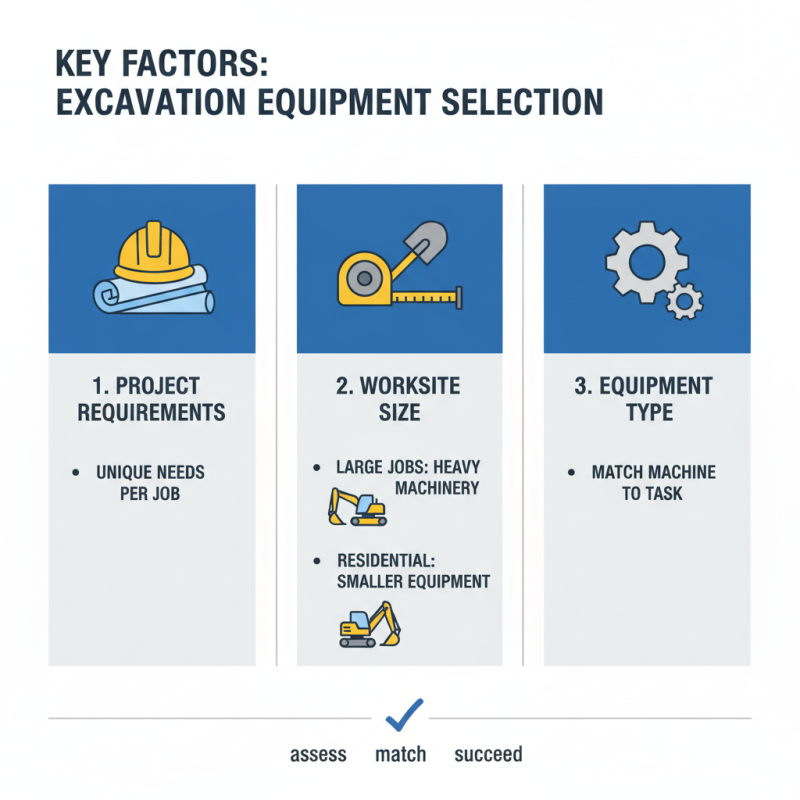
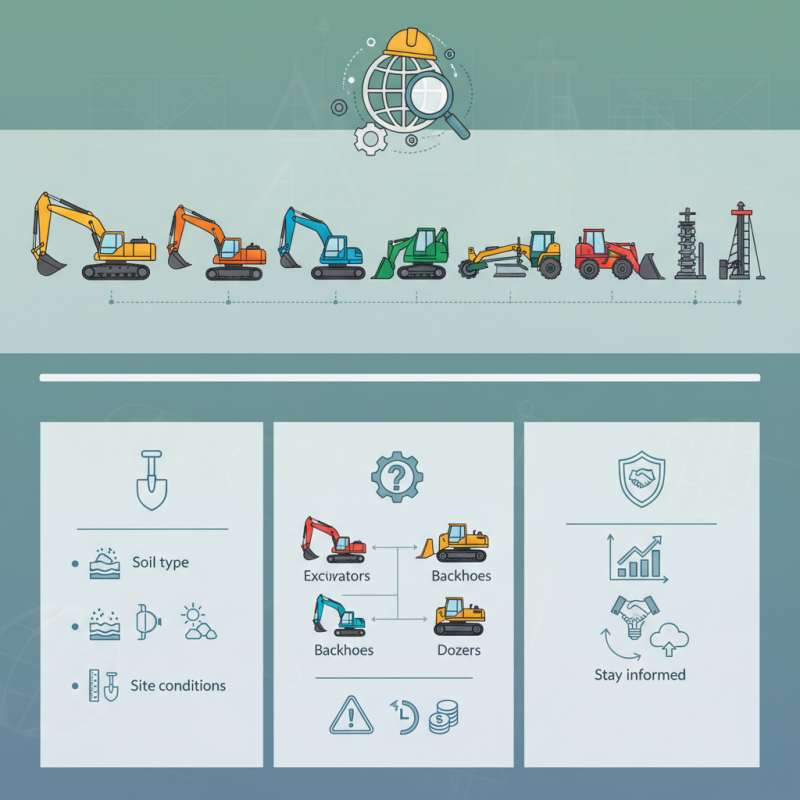
When selecting excavation equipment, buyers must consider specific project needs. Factors such as soil type, depth of excavation, and site conditions influence equipment choice. Knowledge about various excavators, backhoes, and bulldozers is vital. Not every type will suit every job, and making uninformed decisions can lead to delays and increased costs.
Equipment reliability is another key factor. Sometimes, even well-known brands can disappoint. It’s essential to assess not just specifications but also real-world performance. Seeking expert advice or peer reviews helps in identifying trustworthy options. As the market evolves, staying informed about the latest advancements in excavation equipment remains a challenge for many buyers.
Essential Excavation Equipment Types for Global Buyers
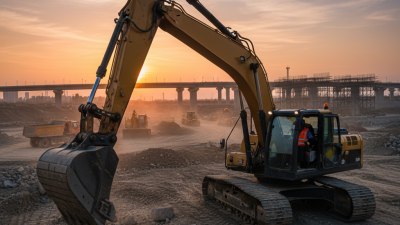
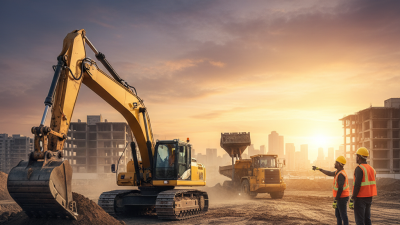
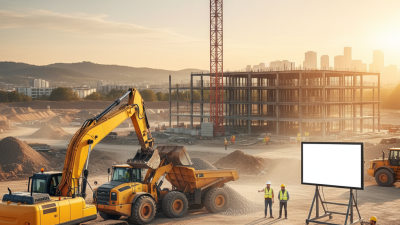
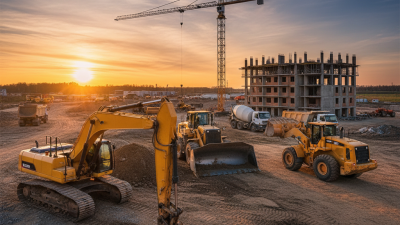
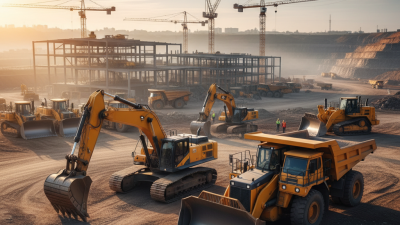
Excavation equipment plays a critical role in construction, mining, and demolition projects. Global buyers must understand various types of machinery to make informed decisions. Bulldozers are powerful, versatile machines that push large quantities of soil or debris. They excel in grading and land clearing tasks. Another essential piece is the excavator, known for its digging power. With a bucket, it can reach deep into the ground, making it vital for foundation work.
Skid steer loaders are compact yet highly efficient. They maneuver easily in tight spaces, making them ideal for urban projects. Additionally, dump trucks are crucial for transporting excavated materials. They save time and labor, ensuring proper materials handling. While these machines are indispensable, it's essential to consider factors like maintenance and operating costs. Buyers should weigh the benefits against potential downtime.
Understanding equipment capabilities and limitations is vital. Not every project requires oversized machinery. Having the right tool for the job can lead to better efficiency. It's worth noting that not all regions have fair access to quality equipment. Buyers may face challenges in sourcing reliable machines. Ultimately, knowledge is key for every global buyer navigating the excavation equipment landscape.
Top 10 Excavation Equipment Every Global Buyer Should Know
| Equipment Type |
Primary Use |
Key Features |
Typical Weight (Tons) |
| Excavator |
Digging and lifting |
Hydraulic arms, rotating cab |
20-40 |
| Bulldozer |
Moving earth |
Powerful blade, tracked vehicle |
15-30 |
| Backhoe Loader |
Small-scale digging |
Versatile, front loader and rear excavator |
10-15 |
| Skid Steer Loader |
Light material handling |
Compact, maneuverable |
2-3 |
| Excavator Attachment (Bucket) |
Digging |
Interchangeable, various sizes |
Varies |
| Trencher |
Trenching |
Specialized blade |
5-15 |
| Mini Excavator |
Residential projects |
Compact size, easy to transport |
1-4 |
| Dump Truck |
Transporting materials |
Hydraulic dump bed |
10-30 |
| Paver |
Laying asphalt |
Screed technology |
5-25 |
| Compactor |
Soil compaction |
Vibratory plate |
0.5-2 |
Top Features and Technologies in Modern Excavation Machinery
Modern excavation machinery incorporates cutting-edge features and technologies that enhance productivity and efficiency. One key advancement is the integration of GPS and laser-guided systems, which improve accuracy in digging and site preparation. According to a 2022 industry report, these technologies can boost operational efficiency by up to 30%. Additionally, the use of telematics allows for real-time monitoring of equipment performance, aiding in predictive maintenance and reducing downtime.
Tips: Consider exploring machines equipped with eco-friendly technologies. These can lower emissions and improve fuel efficiency. Aligning with sustainability can be beneficial for business reputation.
Another significant trend is the automation of excavation equipment. Semi-autonomous and fully autonomous machines are becoming more prevalent. Autonomous systems can work around the clock without the need for a human operator, cutting operational costs. However, the reliance on automation raises concerns about job displacement and the need for skilled technicians to manage these advanced systems.
Tips: When investing, prioritize training for operators. Familiarity with new technologies is crucial for safety and efficiency. Understanding these machines can prevent costly mistakes.
Top 10 Excavation Equipment Features
This chart illustrates the top features of modern excavation machinery that every global buyer should be aware of. The data reflects common performance metrics associated with these features.
Maintenance Tips for Longevity of Excavation Equipment
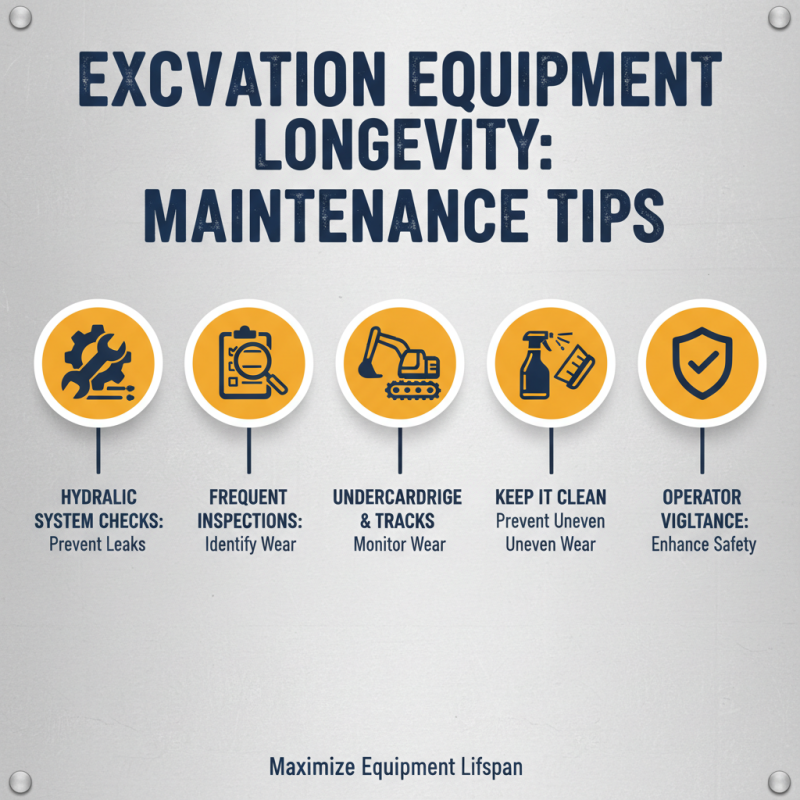
Proper maintenance is crucial for maximizing the lifespan of excavation equipment. Regular checks on hydraulic systems, for instance, can prevent leaks and costly failures. Schedule frequent inspections to identify wear and tear early. Operators should keep a keen eye on the undercarriage and tracks. A clean machine runs better and is safer. Dust and debris can cause parts to wear unevenly.
Lubrication plays a vital role in keeping equipment in peak condition. Use the right type of lubricant to ensure components move smoothly. Ignoring this can lead to overheating and mechanical breakdowns. Additionally, operators should be trained to recognize early warning signs of trouble. Small issues can escalate into significant problems if overlooked.
It’s important to have a maintenance log for each piece of equipment. Documenting service history helps keep track of repairs and replacements. This habit fosters accountability and reliability in operations. However, even with strict protocols, unexpected breakdowns can still happen. Reflection on maintenance practices can lead to better strategies in the future.
Global Market Trends Impacting Excavation Equipment Demand
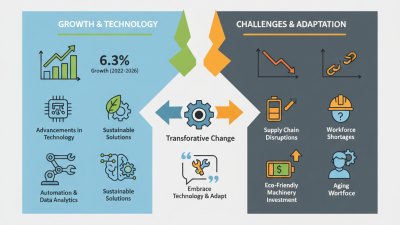
The excavation equipment market is evolving rapidly, influenced by several global trends. According to a recent report from Global Market Insights, the demand for excavators is expected to grow by 5.3% annually until 2028. This increase is propelled by the rising need for urban infrastructure and advanced construction techniques.
Sustainability is becoming a driving force in equipment selection. Many buyers now seek energy-efficient machines. The push for eco-friendly options has led manufacturers to innovate. Electric and hybrid models are increasingly popular, reflecting buyer preferences. However, the transition isn't smooth. High initial costs can deter potential buyers.
Labor shortages in construction also impact equipment demand. A report from the Associated General Contractors of America noted that 80% of contractors struggle to find qualified workers. This gap prompts companies to invest in advanced technology. Automation in excavation equipment is seen as a potential solution. Buyers must balance initial technology costs with long-term productivity gains. The dynamic nature of these trends highlights the need for strategic investment in excavation equipment.

 Wheel Loader
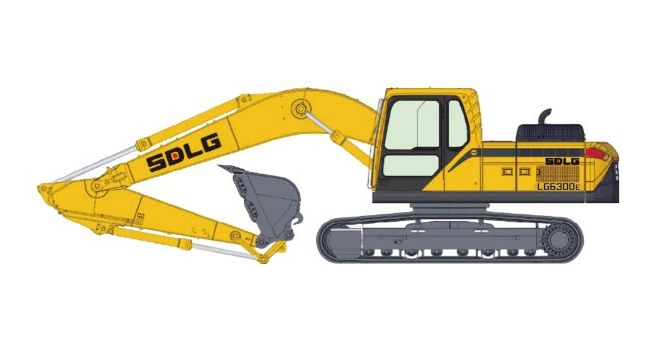 Excavator
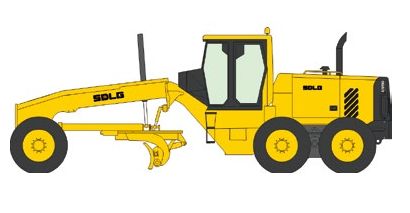 Motor Grader
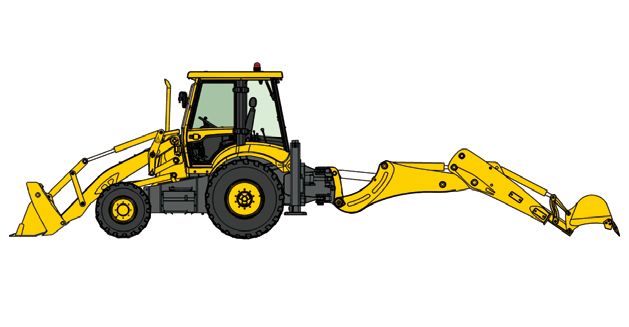 Backhoe Loader
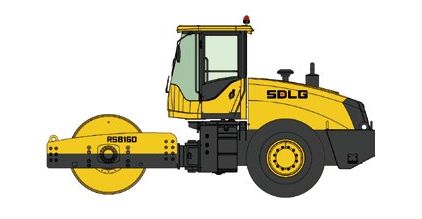 Road Roller
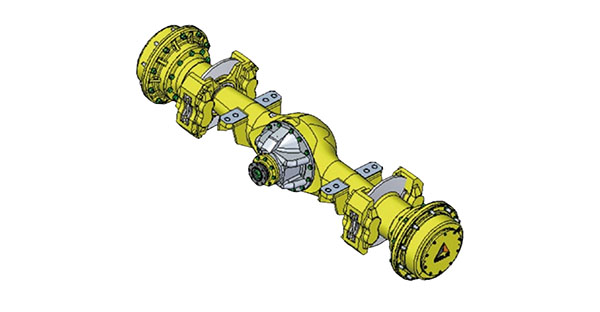 Spare Parts