Top Construction Machines in China for Global Buyers?
The Chinese construction machines market is booming, capturing global attention. According to the 2023 Global Construction Machinery Report, China produced over 300,000 units of construction equipment last year, commanding around 30% of the global market share. This trend indicates a significant rise in demand for robust and efficient machinery, paving the way for international buyers.
Industry expert Dr. Li Wei notes, "The advancements in technology have positioned Chinese construction machines as affordable yet innovative solutions for global projects." This statement reflects a growing recognition of the quality and reliability found in these machines. Despite the rapid growth, challenges remain. Some machines may lack the durability required for extreme conditions.
Buyers should consider this aspect seriously. Understanding the strengths and weaknesses of various models will help ensure better investment choices. The landscape of construction machines in China is dynamic and complex, yet it offers opportunities for those willing to navigate its intricacies.
Top Construction Machines in China: An Overview for Global Buyers
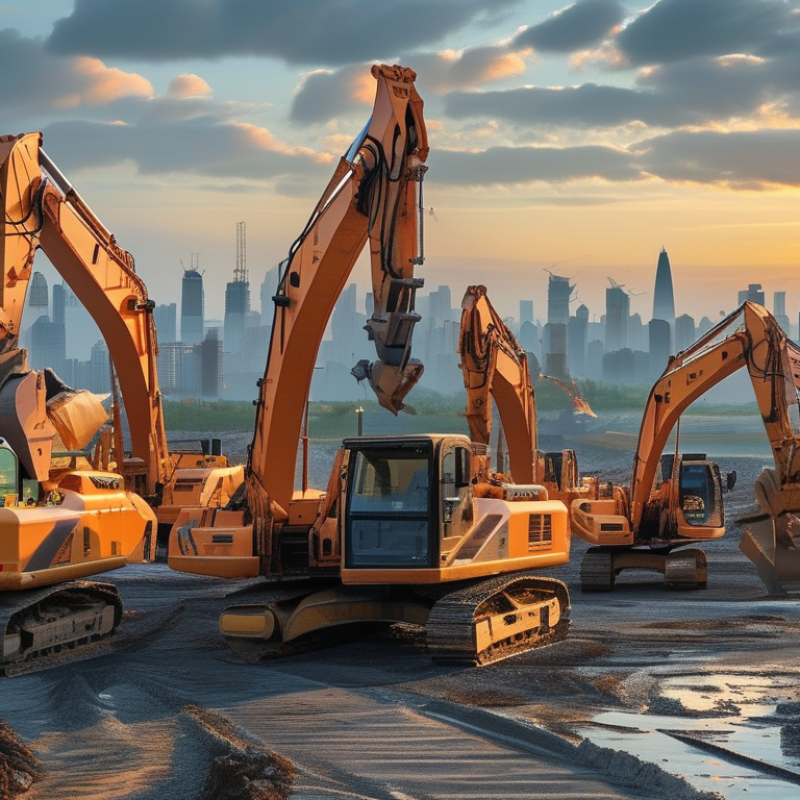
China has become a global leader in construction machinery, offering a wide range of advanced equipment. According to a market report by ResearchAndMarkets, the construction machinery sector in China is expected to reach USD 260 billion by 2025. This reflects the rapid growth and modernization of construction techniques across the country. With increasing infrastructure projects, both domestically and internationally, Chinese manufacturers play a crucial role in meeting global demands.
One area where China excels is in the production of excavators and bulldozers. These machines are essential for major construction operations. Reports indicate that China accounted for over 50% of the global excavator sales in 2022. This statistic highlights China's significant influence within the construction equipment market. However, there could be concerns regarding the quality control and durability of some machines. Many buyers take a risk when sourcing from this market, which isn't always transparent.
Another notable area is the development of green technology in construction machinery. The shift towards eco-friendly solutions is vital for the future. Industry reports show that the market for electric construction machinery is growing rapidly. Yet, the infrastructure to support these innovations is still catching up. Global buyers should be cautious and conduct thorough research when considering options. Although the potential is substantial, navigating this complex landscape requires careful evaluation.
Key Manufacturers of Construction Machinery in China and Their Market Share
China has become a global powerhouse in construction machinery. The country boasts various manufacturers that have made significant impacts on the international market. Many of these companies focus on innovation and adapting to modern construction demands. They enhance their machinery's efficiency and performance to meet the requirements of global buyers.
Market shares reveal how competitive the landscape is. Some manufacturers dominate, while others strive to keep pace. The top players often invest heavily in research and development. These initiatives lead to advanced technologies and improved safety features. This ongoing evolution can be a double-edged sword. It creates a need for continuous learning among buyers and operators alike.
Despite this progress, there are areas for improvement. For instance, some machines may not meet specific international safety standards. Buyers must navigate the complexities of certifications and regulations. Understanding these aspects is crucial for informed purchasing decisions. The dynamic nature of this market reflects both opportunities and challenges for global buyers in construction.
Technological Innovations in Chinese Construction Equipment Industry
The Chinese construction equipment industry is undergoing significant technological innovations. These advancements cater to both domestic needs and global markets. Increasingly, manufacturers are focusing on automation and smart technologies. This shift aims to enhance efficiency and safety on construction sites.
New technologies include IoT applications for real-time monitoring. These tools provide valuable data to optimize machine performance. Enhanced safety features are also prominent. For example, advanced sensors help prevent accidents, making sites safer for workers. However, some challenges persist. Integrating new tech with existing machinery can be complex and costly. Buyers must evaluate potential ROI carefully.
When considering machines, assess the technological features and support services. Reliable service can ensure machines operate efficiently. Innovations can lead to increased productivity but require thoughtful implementation. Understanding these aspects can help buyers make informed decisions. The landscape is rapidly evolving, and staying updated is crucial.
Top Construction Machines in China for Global Buyers
Export Trends of Chinese Construction Machines to Global Markets
The construction machinery export market in China is constantly evolving. Many buyers from around the world are showing great interest. In recent years, China’s technological advancements have improved the quality and efficiency of construction machines. Buyers appreciate these enhancements, especially in terms of durability and performance.
China’s export trends indicate a significant increase in demand from developing countries. These nations often seek cost-effective solutions. However, there are challenges. Some international buyers express concerns over support and maintenance services for machinery. This often leads to hesitance in purchasing decisions. Establishing reliable after-sales support is crucial for building trust.
Chinese manufacturers are adapting to meet global market needs. They are increasingly focusing on compliance with international standards. Yet, the competition is fierce. Emerging manufacturers from different countries are also entering the market. This can result in price wars that may not benefit long-term growth. Companies must learn to balance cost and quality to win over overseas clients.
Top Construction Machines in China for Global Buyers
| Machine Type |
Annual Exports (Units) |
Main Export Markets |
Estimated Value (Million USD) |
Growth Rate (%) |
| Excavators |
50,000 |
Southeast Asia, Africa |
600 |
15 |
| Cranes |
30,000 |
Middle East, Europe |
750 |
10 |
| Loaders |
40,000 |
North America, Latin America |
500 |
12 |
| Dump Trucks |
25,000 |
Australia, New Zealand |
400 |
8 |
Regulatory Standards Impacting Construction Machinery Sales in China
In recent years, regulatory standards have significantly influenced the construction machinery market in China. Regulations set by the government aim to enhance safety, reduce environmental impact, and improve overall efficiency in the sector. The China National Standard established guidelines for various machine types, focusing on emissions and noise levels. Reports indicate that compliance with these standards has become a crucial factor for companies aiming to penetrate the global market.
Market research shows that adherence to regulations can lead to a competitive edge. According to a recent industry analysis, companies that meet high regulatory standards typically see a 15% increase in demand. Buyers increasingly prefer equipment that complies with both local and international regulations. The focus on eco-friendly machinery is growing, and many buyers seek reliable data on emissions and safety features.
However, the landscape is not without its challenges. Smaller manufacturers often struggle to comply due to high costs of necessary upgrades. This creates a gap between large and small firms in terms of market access. Furthermore, regulatory changes can be abrupt, requiring businesses to adapt quickly. Those who fail to anticipate these changes risk losing market share and credibility. It's a critical time for buyers to be aware of both opportunities and challenges in this evolving regulatory framework.

 Wheel Loader
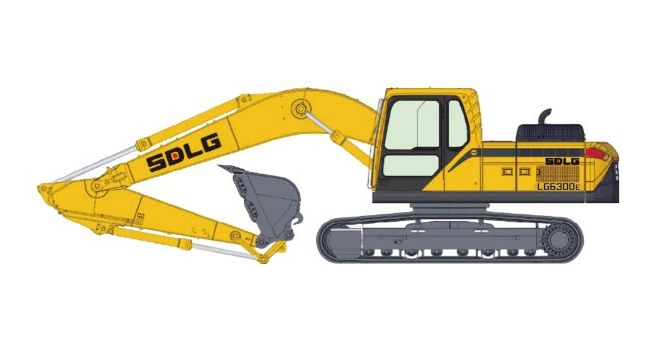 Excavator
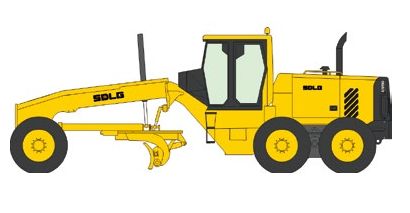 Motor Grader
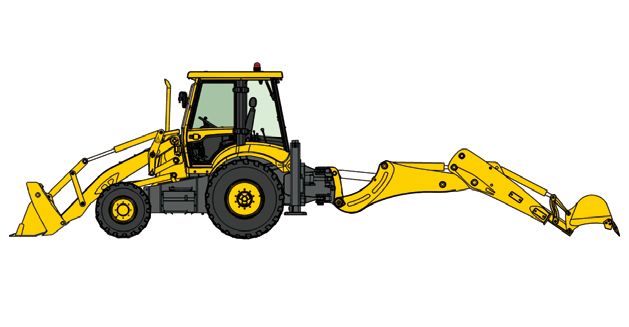 Backhoe Loader
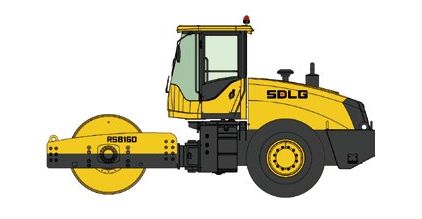 Road Roller
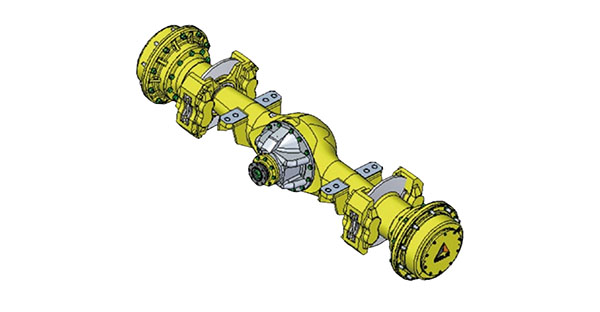 Spare Parts