10 Essential Tips for Operating a Mini Excavator Effectively
Operating a Mini Excavator requires precision and skill. Understanding the intricacies of this powerful machine can transform how projects are completed. Expert operator Jane Martinez states, "Mastering a Mini Excavator is not just about power; it's about finesse." Her insights highlight the need for operators to blend control with efficiency.
A Mini Excavator can work in tight spaces. Its versatility is unmatched, making it invaluable on job sites. However, mishandling this equipment can lead to costly mistakes and safety hazards. Operators must always prioritize training and proper techniques.
Attention to detail is essential. Each task requires focus, whether digging, lifting, or transporting materials. The right approach can enhance productivity and extend the life of the Mini Excavator. Reflecting on past challenges can provide valuable lessons for improvement. Through careful operation and continuous learning, the potential of a Mini Excavator can be fully realized.

Understanding Mini Excavator Types and Their Applications
Mini excavators are versatile machines, crucial in various projects from landscaping to construction. Understanding their types and applications helps maximize efficiency. For instance, compact models excel in tight spaces, while larger variants perform heavy-duty tasks.
When operating a mini excavator, always start with a thorough inspection. Check for leaks, oil levels, and functionality of the tracks. This ensures your machine runs smoothly. Additionally, operators can enhance their performance by practicing precise movements. Small adjustments can prevent damage to both the machine and surrounding areas.
Remember that each mini excavator type serves specific purposes. The zero-tail swing model is ideal for congested sites. In contrast, standard models perform well in open areas. Misusing these machines can lead to accidents or delays. Being aware of their limitations is as crucial as knowing their strengths. Stay mindful and improve your skills daily.
Mini Excavator Types and Their Applications
Essential Pre-Operation Checks for Safe Mini Excavator Use
Before operating a mini excavator, thorough pre-operation checks are critical. A quick inspection of the machine can prevent accidents. Begin by checking the fuel levels. Low fuel can halt your work unexpectedly. Next, ensure that the hydraulic fluids are at appropriate levels. Low hydraulic fluid can harm the machine and reduce efficiency.
Be sure to inspect the tracks or tires. Look for wear and damage that could cause instability. Examine the attachments as well. Ensure they are secure and functional. A loose attachment can lead to serious accidents. Brakes also need careful attention. Test the brakes before starting any work to confirm they respond properly.
Lastly, check all lights and signals. They increase safety, especially in low visibility. Keep the work area clear of obstacles. An uncluttered site reduces the risk of accidents. By following these essential steps, you enhance safety and efficiency while operating a mini excavator. Regular maintenance and checks truly make a difference.
Key Operating Techniques to Enhance Efficiency and Precision
Operating a mini excavator efficiently requires mastering key techniques that enhance both precision and productivity. Effective control is critical. Operators should focus on maintaining smooth movements to avoid damaging the site. According to industry reports, precision in excavation can improve project timelines by up to 25%. This emphasizes the need for conscious operation, rather than reactive handling.
Understanding weight distribution is also essential. Mismanagement can lead to tipping. A report by the Occupational Safety and Health Administration (OSHA) indicates that improper operation causes 30% of on-site accidents. Properly loading materials and ensuring balanced movements can significantly reduce risks. Attention to these details is not merely about safety; it impacts operational efficiency as well.
Additionally, regular equipment checks are vital. Overlooking maintenance can lead to unexpected breakdowns. Statistics show that unplanned downtime can cost upwards of $500 per hour. Operators must ensure fluids are at appropriate levels and that wear parts are regularly inspected. These practices foster reliability, which is crucial in maintaining workflow. Mistakes will happen, but each incident should lead to better operational habits.
Maintenance Practices to Extend the Life of Your Mini Excavator
Proper maintenance is crucial to extending the life of your mini excavator. Regular checks can prevent costly repairs. Start by inspecting the engine oil. Change it every 50 hours of operation. Clean or replace the air filter often. A clean filter optimizes performance and fuel efficiency.
Hydraulic fluid is another vital component. Monitor fluid levels consistently. Low levels can lead to overheating and damage. Flush the system as needed. This step ensures that the hydraulic systems operate smoothly and effectively. Equipment operators often overlook small leaks. These can turn into serious problems if not addressed promptly.
Regularly greasing the joints is essential too. This practice reduces wear and tear on critical components. It can also enhance maneuverability. Operators should check the undercarriage regularly for debris. Accumulated dirt can impact performance. Taking a moment to clean can save hours of trouble later. Remember, consistent attention to these details makes a significant difference.
10 Essential Tips for Operating a Mini Excavator Effectively - Maintenance Practices to Extend the Life of Your Mini Excavator
| Tip |
Description |
Frequency |
Benefits |
| Check Fluids |
Regularly check and replace hydraulic fluids, engine oil, and coolant. |
Weekly |
Prevents overheating and component wear. |
| Inspect Track Condition |
Look for wear and tear on tracks and adjust tension as needed. |
Monthly |
Ensures stability and safe operation. |
| Clean the Excavator |
Remove dirt and debris from the machine after operation. |
After each use |
Maintains visibility and prevents corrosion. |
| Check Safety Features |
Test alarms, lights, and safety interlocks regularly. |
Before each use |
Ensures operator and site safety. |
| Monitor Performance |
Pay attention to changes in performance indicating issues. |
Daily |
Identifies problems early for intervention. |
| Grease Fittings |
Lubricate joints and moving parts to decrease friction. |
Weekly |
Increases efficiency and extends life. |
| Store Properly |
Keep the excavator in a dry, secure location when not in use. |
Daily |
Prevents rust and damage from weather. |
| Train Operators |
Provide proper training for all excavator operators. |
As needed |
Reduces risk of accidents and damage. |
| Schedule Regular Maintenance |
Follow a preventive maintenance schedule based on usage. |
Quarterly |
Maximizes performance and lifespan. |
Safety Guidelines to Prevent Accidents and Injuries While Operating
Operating a mini excavator is inherently risky due to the machine's size and power. According to the Occupational Safety and Health Administration (OSHA), nearly 400 fatalities occur annually in construction-related accidents. To reduce such incidents, understanding safety guidelines is crucial. Pre-operation inspections are vital. You should check for any visible issues before starting the machine. If something feels off, stop and inspect it further.
Personal protective equipment (PPE) plays a significant role in ensuring safety. Use hard hats, gloves, and steel-toed boots. According to a report from the National Institute for Occupational Safety and Health (NIOSH), proper PPE usage can lower injury rates by up to 30%. Keeping a safe distance from the excavation site is essential. Operators should ensure that bystanders stay at least 10 feet away to avoid accidents.
Communication is key when working with a team. Use hand signals or radios to coordinate movements. Inadequate communication increases the chance of miscommunication, leading to accidents. Additionally, take breaks when fatigued. The Construction Industry Institute states that fatigue can lead to impaired judgment, increasing the risk of accidents. Always remain vigilant and aware of your surroundings to minimize risks while operating a mini excavator.

 Wheel Loader
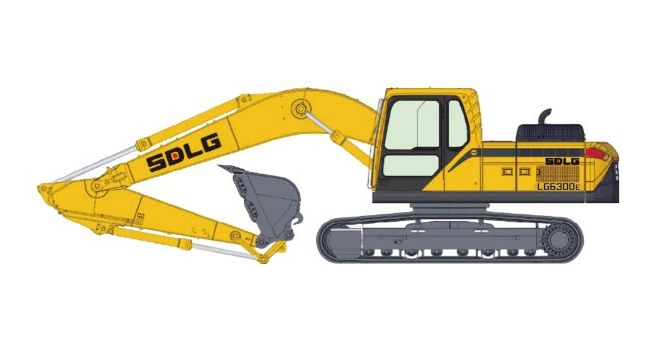 Excavator
 Motor Grader
 Backhoe Loader
 Road Roller
 Spare Parts